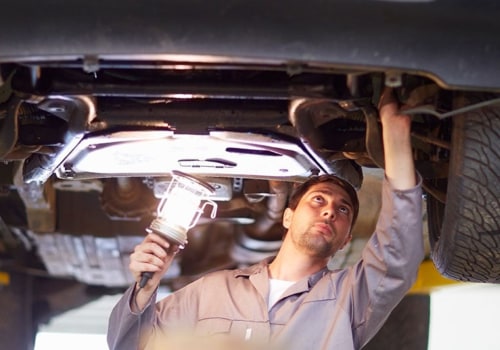
In the realm of home maintenance , the concept of preventive maintenance stands as a cornerstone for ensuring the longevity and efficiency of your property. This proactive approach involves regularly scheduled inspections, servicing, and repairs designed to prevent unexpected failures and costly emergency repairs. By adopting a preventive maintenance strategy, homeowners can significantly reduce the risk of major issues arising from neglect or oversight, ultimately safeguarding their investment.The importance of preventive maintenance cannot be overstated. It not only helps in identifying potential problems before they escalate but also enhances the overall performance of home systems and appliances.
For instance, regular checks on heating and cooling systems can lead to improved energy efficiency, resulting in lower utility bills. Furthermore, maintaining plumbing and electrical systems can prevent hazardous situations that could compromise safety. By prioritising preventive measures, homeowners can create a more comfortable living environment while also extending the lifespan of their assets.Moreover, an effective preventive maintenance program fosters a sense of responsibility and awareness among homeowners. It encourages them to take an active role in the upkeep of their property, leading to better-informed decisions regarding repairs and upgrades.
This proactive mindset not only enhances the aesthetic appeal of a home but also contributes to its market value. In essence, understanding and implementing preventive maintenance is not merely about avoiding problems; it is about cultivating a sustainable lifestyle that values care and attention to one’s living space.
The Importance of a Preventive Maintenance Program
Implementing a preventive maintenance program is essential for homeowners who wish to safeguard their investments and ensure the longevity of their properties. The advantages of such a program extend far beyond mere upkeep; they encompass significant cost savings , enhanced efficiency , and a marked reduction in downtime.Cost Savings
One of the most compelling reasons to adopt a preventive maintenance strategy is the potential for substantial cost savings. By addressing issues before they escalate into major problems, homeowners can avoid the exorbitant expenses associated with emergency repairs.
For instance, regular inspections of heating and cooling systems can identify minor faults that, if left unchecked, could lead to complete system failures. This proactive approach not only saves money on repairs but also extends the lifespan of equipment, reducing the need for premature replacements.
Increased Efficiency
A well-structured preventive maintenance program enhances the overall efficiency of home systems and appliances. Regular maintenance ensures that everything operates at optimal performance levels. For example, cleaning filters in HVAC systems or servicing kitchen appliances can lead to improved energy efficiency, which translates into lower utility bills.
Moreover, when systems are functioning efficiently, they require less energy to operate, contributing to a more sustainable household.
Reduced Downtime
Downtime can be a significant inconvenience for homeowners, particularly when it involves essential services like plumbing or electrical systems. A preventive maintenance program minimises this risk by scheduling regular checks and maintenance tasks that keep systems running smoothly. By anticipating potential failures and addressing them proactively, homeowners can enjoy uninterrupted service and peace of mind.In conclusion, the implementation of a preventive maintenance program is not merely an option but a necessity for effective home maintenance. The benefits—ranging from cost savings and increased efficiency to reduced downtime—collectively contribute to a more reliable and sustainable home environment.
By investing time and resources into preventive measures, homeowners can protect their properties while enjoying the myriad advantages that come with proactive care.
Key Components of an Effective Preventive Maintenance Program
Creating a successful preventive maintenance program hinges on several key components that work in harmony to ensure efficiency and effectiveness. Understanding these elements is crucial for any organisation aiming to enhance their home maintenance strategy.- Inventory Management : A comprehensive inventory of all equipment and assets is the foundation of any preventive maintenance program. This includes not only the machinery but also the tools and spare parts necessary for maintenance tasks. Keeping an updated inventory allows maintenance teams to quickly identify what is available, what needs replenishing, and helps in budgeting for future purchases.
- Maintenance Scheduling : Establishing a clear and systematic schedule for maintenance activities is vital.
This involves determining the frequency of inspections, servicing, and repairs based on the specific needs of each asset. A well-structured schedule helps prevent unexpected breakdowns and extends the lifespan of equipment. It’s advisable to use software tools that can automate reminders and track compliance with the maintenance schedule.
- Documentation : Accurate documentation is essential for tracking maintenance activities over time. This includes recording all completed tasks, noting any issues encountered, and logging parts used during repairs.
Documentation not only provides a historical record but also aids in identifying patterns that may indicate underlying problems with specific equipment.
- Training and Involvement of Personnel : Engaging all relevant personnel in the preventive maintenance program is crucial. This includes training maintenance staff on best practices, as well as involving operators who use the equipment daily. Their insights can be invaluable in identifying potential issues before they escalate.
- Feedback Mechanism : Implementing a feedback system allows for continuous improvement of the preventive maintenance program. Regularly soliciting input from technicians and operators can highlight areas needing adjustment or enhancement, ensuring that the program evolves with changing needs.
Creating a Maintenance Schedule
Creating a well-structured maintenance schedule is crucial for the success of any preventive maintenance program.A maintenance schedule not only outlines when tasks should be performed but also helps in allocating resources effectively, ensuring that all necessary equipment is serviced regularly to prevent unexpected breakdowns.
Understanding Frequency of Maintenance Tasks
The frequency of maintenance tasks can vary significantly based on the type of equipment, its usage, and the environment in which it operates. Here are some common categories to consider:
- Daily Tasks: These are routine checks that ensure equipment is functioning correctly. Examples include inspecting safety features, checking fluid levels, and cleaning filters.
- Weekly Tasks: These may involve more detailed inspections and minor adjustments. For instance, lubricating moving parts or checking for wear and tear can be scheduled weekly.
- Monthly Tasks: Monthly maintenance might include comprehensive inspections, such as testing equipment performance and replacing worn components.
- Annual Tasks: These are typically more extensive and may require professional assistance.
Annual tasks could involve overhauls or major repairs that ensure the longevity of the equipment.
Tailoring Your Maintenance Schedule
To create an effective maintenance schedule, it’s essential to tailor it to the specific needs of your home or facility. Here are some steps to consider:
- Inventory Your Assets: Begin by listing all equipment and systems that require maintenance. This inventory will serve as the foundation for your schedule.
- Assess Usage Patterns: Understand how often each piece of equipment is used. High-usage items may require more frequent maintenance compared to those used less often.
- Consult Manufacturer Guidelines: Always refer to the manufacturer’s recommendations for maintenance frequency.
These guidelines are designed to optimise performance and extend the lifespan of your equipment.
- Incorporate Feedback: Engage with maintenance personnel and operators to gather insights on potential issues or areas needing attention. Their hands-on experience can provide valuable information for adjusting your schedule.
- Review and Adjust Regularly: A maintenance schedule should not be static. Regularly review its effectiveness and make adjustments based on performance data and feedback from your team.
Inventory Management for Maintenance Supplies
Effective inventory management is a cornerstone of any successful preventive maintenance program.It ensures that all necessary maintenance supplies, including spare parts, are readily available when needed, thereby minimising downtime and enhancing operational efficiency.To begin with, it is essential to establish a comprehensive inventory system that tracks all maintenance supplies. This system should include:
- Identification of Spare Parts: Create a detailed list of all spare parts required for your equipment. This list should include part numbers, descriptions, and quantities on hand.
- Usage Tracking: Monitor the usage of each part to identify trends and predict future needs. This can help in determining reorder points and quantities.
- Supplier Information: Maintain a database of suppliers for each part, including contact details and lead times for ordering.
Such systems allow for real-time tracking of stock levels and can automate reorder notifications when supplies run low. Additionally, they can provide insights into which parts are frequently used and which are rarely needed, enabling better decision-making regarding stock levels.Another critical aspect of spare parts management is categorising items based on their criticality to operations. For instance:
- Critical Parts: Items that are essential for the operation of machinery and cannot be substituted easily should be stocked in higher quantities.
- Non-Critical Parts: These can be ordered as needed and do not require large stock levels.
By implementing a robust tracking system, categorising spare parts based on their importance, and conducting regular audits, organisations can ensure they have the right materials on hand to support their preventive maintenance efforts.
Involving Key Personnel in the Maintenance Process
Involving key personnel in the preventive maintenance process is crucial for the success of any home maintenance programme. Each member of the team plays a distinct role that contributes to the overall effectiveness of the maintenance strategy. By clearly defining these roles and fostering open communication, organisations can ensure that their preventive maintenance efforts are both efficient and impactful.Identifying Roles and Responsibilities
- Maintenance Managers: These individuals oversee the entire maintenance programme, ensuring that all activities align with organisational goals. They are responsible for planning, scheduling, and allocating resources effectively.
- Technicians: Skilled technicians carry out the actual maintenance tasks.
Their hands-on experience is invaluable, as they can provide insights into potential issues and suggest improvements to existing procedures.
- Machine Operators: Those who operate machinery on a daily basis have a unique perspective on equipment performance. Their feedback can help identify areas that require more frequent maintenance or adjustments to schedules.
- Senior Management: Involvement from senior management is essential for securing the necessary budget and resources for preventive maintenance initiatives. Their support can also foster a culture that prioritises maintenance within the organisation.
The Importance of Communication
Effective communication among team members is vital for a successful preventive maintenance programme. Regular meetings should be held to discuss ongoing projects, share updates, and address any concerns.
This collaborative approach not only enhances transparency but also encourages team members to contribute ideas and solutions.Utilising digital tools can further streamline communication. Maintenance management software allows for real-time updates on work orders, schedules, and inventory levels, ensuring that everyone is on the same page. By keeping lines of communication open, teams can quickly adapt to changes and respond to emerging challenges.In conclusion, involving key personnel in the preventive maintenance process is not just beneficial; it is essential. By clearly defining roles and fostering effective communication, organisations can create a robust maintenance programme that minimises downtime and maximises efficiency.
Utilising Technology in Preventive Maintenance
In today's fast-paced world, leveraging technology in preventive maintenance is not just an option; it is a necessity.The integration of digital tools and software solutions can significantly enhance the efficiency and effectiveness of your home maintenance program.One of the most impactful advancements in this area is the use of preventive maintenance software. These platforms are designed to streamline various maintenance tasks, making it easier for homeowners and property managers to keep track of their maintenance schedules. With features such as automated reminders, work order generation, and inventory management, these tools can help ensure that no task is overlooked.For instance, many software solutions offer a user-friendly interface that allows users to input their assets and schedule regular maintenance checks. This not only helps in maintaining a consistent upkeep routine but also aids in identifying potential issues before they escalate into costly repairs.
By having a digital record of all maintenance activities, homeowners can easily refer back to previous work done, which is invaluable for tracking the longevity and performance of various systems.Moreover, mobile applications associated with these software solutions enable users to manage their home maintenance on-the-go. Whether you are at work or on holiday, you can receive notifications about upcoming maintenance tasks or emergencies that require immediate attention. This level of accessibility ensures that you remain proactive rather than reactive.In addition to dedicated software, there are numerous digital tools available that can further enhance your preventive maintenance efforts. For example:
- IoT Devices: Smart home technology can monitor systems such as heating, ventilation, and air conditioning (HVAC) units.
These devices can alert you to irregularities or performance drops, allowing for timely interventions.
- Cloud-Based Solutions: Storing your maintenance data in the cloud ensures that it is accessible from anywhere and can be easily shared with contractors or service providers when needed.
- Data Analytics: Advanced analytics tools can help you assess the performance of your home systems over time, providing insights that inform future maintenance decisions.
Monitoring and Adjusting Your Maintenance Program
To ensure the success of your preventive maintenance program, it is crucial to monitor its effectiveness continuously. This involves not only tracking the performance of maintenance tasks but also evaluating the overall impact on your home’s systems and equipment. Regular monitoring allows you to identify areas that require improvement and helps in making informed decisions about necessary adjustments.One effective way to monitor your maintenance program is through the use of key performance indicators (KPIs).These metrics can include:
- Downtime: Measure the amount of time equipment is out of service due to maintenance issues.
- Cost of Maintenance: Track expenses related to both preventive and reactive maintenance.
- Work Order Completion Rate: Assess how many work orders are completed on time versus those that are delayed.
- Equipment Lifespan: Monitor how long equipment lasts before requiring replacement or major repairs.
This collaborative approach not only fosters a culture of continuous improvement but also empowers your team to contribute to the program's success.Once you have collected data and feedback, it’s time to adjust your maintenance plans accordingly. This may involve:
- Revising Maintenance Schedules: If certain tasks are consistently taking longer than expected, consider adjusting their frequency or duration.
- Updating Procedures: Streamline processes based on technician feedback to enhance efficiency.
- Investing in Training: Provide additional training for staff if gaps in knowledge are identified during feedback sessions.
Common Challenges in Implementing Preventive Maintenance Programs
Implementing a preventive maintenance program can significantly enhance the longevity and efficiency of home systems and equipment. However, several common challenges can hinder the successful execution of such programs.Understanding these obstacles is crucial for homeowners and maintenance managers alike.
1.Lack of Awareness and Training
One of the primary challenges in establishing a preventive maintenance program is the lack of awareness among staff regarding its importance. Many individuals may not fully understand the benefits of preventive maintenance, leading to resistance or indifference towards its implementation. Additionally, insufficient training can result in improper execution of maintenance tasks.
- Solution: Conduct regular training sessions to educate all personnel about the significance of preventive maintenance. Use real-life examples to illustrate how proactive measures can save time and money in the long run.
2.Inadequate Resources
Another significant hurdle is the lack of resources, including budget constraints and insufficient tools or equipment necessary for effective maintenance.
Without proper funding, it becomes challenging to implement a comprehensive preventive maintenance program.
- Solution: Develop a detailed budget that outlines all necessary resources for your preventive maintenance program. Prioritise essential tasks and allocate funds accordingly, ensuring that critical areas receive the attention they need.
3.Poor Communication
Effective communication is vital for any successful maintenance program. Often, there is a disconnect between management and maintenance teams regarding expectations and responsibilities, leading to confusion and inefficiencies.
- Solution: Establish clear communication channels between all parties involved in the maintenance process. Regular meetings can help ensure everyone is on the same page regarding schedules, tasks, and responsibilities.
4.Resistance to Change
Implementing a new preventive maintenance program often requires changes in established routines, which can meet with resistance from staff accustomed to their current practices.
This reluctance can stall progress and undermine the effectiveness of the program.
- Solution: Involve team members in the planning process to foster a sense of ownership over the new program. Highlight the benefits of change and how it will positively impact their work environment.
5.Difficulty in Tracking Maintenance Activities
Without an effective system for tracking maintenance activities, it becomes challenging to monitor progress and identify areas needing improvement. This lack of oversight can lead to missed tasks and increased downtime.
- Solution: Implement a reliable software solution that allows for easy tracking of maintenance activities, schedules, and outcomes. This will provide valuable insights into your program's effectiveness and areas for enhancement.
Conclusion: The Path to Effective Home Maintenance through Preventive Strategies
In conclusion, establishing an effective preventive maintenance program is essential for ensuring the longevity and functionality of your home.By adopting a proactive approach to home maintenance, homeowners can significantly reduce the risk of unexpected repairs and associated costs. Throughout this article, we have explored various strategies and best practices that contribute to a successful maintenance plan.One of the key takeaways is the importance of thorough planning and organisation. By taking inventory of all household systems and equipment, you can create a comprehensive maintenance schedule that addresses the specific needs of your home. This includes regular inspections, timely repairs, and routine servicing of appliances, plumbing, and electrical systems.Moreover, involving all relevant stakeholders in the maintenance process cannot be overstated.
Engaging family members in discussions about home upkeep fosters a shared responsibility and ensures that everyone is aware of their roles in maintaining the household. Additionally, consulting with professionals such as maintenance technicians can provide valuable insights into the most effective practices tailored to your home’s unique requirements.Another critical aspect is the utilisation of technology to streamline your maintenance efforts. Implementing software solutions can help track maintenance history, schedule upcoming tasks, and manage inventory for spare parts. This not only enhances efficiency but also allows for better budgeting and resource allocation.Ultimately, a well-structured preventive maintenance program not only safeguards your investment in your home but also enhances your quality of life by creating a safe and comfortable living environment.
By prioritising preventive strategies, you are taking a significant step towards achieving long-term home sustainability and peace of mind.As you move forward, remember that consistency is key. Regularly review and adjust your maintenance plan based on feedback from family members and professionals alike. This adaptability will ensure that your preventive maintenance program remains effective and relevant as your home evolves over time.