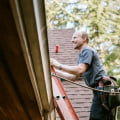
Home maintenance is a crucial aspect of property ownership that often goes overlooked until issues arise. It encompasses a wide range of tasks aimed at preserving the integrity, safety, and value of your home. Regular maintenance not only enhances the aesthetic appeal of your property but also prevents minor issues from escalating into costly repairs. By investing time and effort into home maintenance, homeowners can ensure that their living environment remains safe and comfortable for their families.The importance of home maintenance cannot be overstated.
A well-maintained home is less likely to suffer from structural problems, pest infestations, or health hazards such as mould and mildew. Furthermore, routine inspections and upkeep can significantly extend the lifespan of essential systems and appliances, including heating, plumbing, and electrical systems. This proactive approach not only safeguards your investment but also contributes to a more sustainable living environment.One effective tool in the realm of home maintenance is the maintenance inspection checklist. This checklist serves as a comprehensive guide for homeowners to systematically evaluate various aspects of their property.
By following a structured checklist, homeowners can ensure that no critical areas are overlooked during inspections. From checking the roof for damage to inspecting plumbing fixtures for leaks, a maintenance inspection checklist provides a clear roadmap for maintaining your home’s condition.In summary, understanding the significance of home maintenance and utilising tools like a maintenance inspection checklist can empower homeowners to take control of their property’s upkeep. This not only enhances the safety and comfort of their living space but also protects their investment for years to come.
What is a Maintenance Inspection Checklist?
A maintenance inspection checklist is a systematic tool designed to assist homeowners in evaluating the condition of their property and ensuring that all essential maintenance tasks are completed regularly. This checklist serves as a guide, outlining specific areas and components of the home that require inspection, maintenance, or repair.By utilising a maintenance inspection checklist, homeowners can proactively manage their property, preventing minor issues from escalating into significant problems.At its core, a maintenance inspection checklist typically includes:
- Property Details: Basic information about the property, such as the address, date of inspection, and the name of the inspector.
- Exterior Inspection: Areas to check may include the roof, gutters, siding, windows, and doors. This section ensures that the exterior is free from damage and that all elements are functioning correctly.
- Interior Inspection: This involves checking rooms for signs of wear and tear, including walls, ceilings, floors, plumbing fixtures, and electrical systems. It may also include inspecting appliances for proper operation.
- Safety Checks: Essential safety features such as smoke detectors, carbon monoxide detectors, and fire extinguishers should be included to ensure they are in working order.
- Seasonal Maintenance Tasks: Depending on the time of year, specific tasks may need to be added to the checklist. For example, winter preparations might include checking heating systems and insulating pipes.
By regularly reviewing and updating this checklist, homeowners can identify potential issues early on. This not only helps in maintaining the aesthetic appeal of the property but also enhances its overall value.Moreover, having a well-structured maintenance inspection checklist can streamline communication with contractors or service providers when repairs or maintenance are needed. It provides a clear outline of what has been inspected and what requires attention, making it easier to prioritise tasks based on urgency and importance.In summary, a maintenance inspection checklist is an invaluable resource for any homeowner looking to maintain their property effectively. By understanding its components and purpose, individuals can take charge of their home maintenance responsibilities with confidence.
Key Components of a Maintenance Inspection Checklist
Creating a comprehensive maintenance inspection checklist is crucial for effective home maintenance.A well-structured checklist not only helps in identifying potential issues but also ensures that essential tasks are not overlooked. Here are the key components that should be included in your maintenance inspection checklist:
- Exterior Inspection:
- Check the condition of the roof, looking for missing or damaged shingles.
- Inspect gutters and downspouts for blockages and ensure they are securely attached.
- Examine the foundation for cracks or signs of water damage.
- Assess the condition of exterior paint and siding, noting any areas that may need touch-ups or repairs.
- Interior Inspection:
- Inspect walls and ceilings for signs of water damage or mould.
- Check windows and doors for proper sealing and functionality.
- Examine flooring for wear and tear, including carpets, tiles, and hardwood.
- Plumbing System:
- Inspect all visible pipes for leaks or corrosion.
- Check water pressure and test faucets for proper flow.
- Examine toilets for leaks and ensure they flush correctly.
- Electrical System:
- Test smoke detectors and carbon monoxide detectors to ensure they are functioning properly.
- Inspect electrical outlets and switches for any signs of damage or wear.
- Check the circuit breaker panel for any tripped breakers or signs of overheating.
- Heating, Ventilation, and Air Conditioning (HVAC):
- Change air filters regularly to maintain air quality and system efficiency.
- Inspect ductwork for leaks or blockages that could hinder airflow.
- Schedule annual servicing for heating and cooling systems to ensure optimal performance.
- Safety Checks:
- Ensure that fire extinguishers are accessible and within their service dates.
- Review emergency exit routes and ensure they are clear of obstructions.
- Check that all handrails and staircases are secure to prevent accidents.
How to Create an Effective Maintenance Inspection Checklist
Creating an effective maintenance inspection checklist is crucial for ensuring that your home remains in optimal condition. A well-structured checklist not only helps you keep track of necessary tasks but also allows you to tailor your maintenance efforts to the specific needs of your property.Here’s a step-by-step guide to developing a comprehensive home maintenance checklist.
- Assess Your Home's Unique Needs: Every home is different, and so are its maintenance requirements. Begin by evaluating the specific features of your home, such as its age, type of construction, and any unique systems or appliances. Consider factors like climate and local environmental conditions that may affect maintenance frequency.
- Identify Key Areas for Inspection: Focus on critical areas that require regular attention. Common sections to include in your checklist are:
- Roof and Gutters: Inspect for missing shingles, debris buildup, and signs of leaks.
- HVAC Systems: Schedule regular servicing for heating and cooling systems, including filter replacements.
- Plumbing: Check for leaks, water pressure issues, and the condition of pipes.
- Electrical Systems: Ensure all outlets and switches function properly and check for any exposed wiring.
- Exterior Maintenance: Look for cracks in the foundation, peeling paint, or issues with siding.
- Create a Schedule: Determine how often each task should be performed.
Some tasks may need monthly attention, while others can be done quarterly or annually. A seasonal approach can be particularly effective; for example, focus on outdoor tasks in spring and autumn.
- Document Each Task: For each area identified, list specific tasks that need to be completed. Be as detailed as possible to avoid overlooking important steps. For instance, instead of just writing "inspect roof," specify "check for missing shingles and clean gutters." This clarity will help ensure thorough inspections.
- Incorporate Reminders: Use digital tools or apps to set reminders for each task on your checklist.
This will help you stay organised and ensure that no maintenance task is forgotten.
- Review and Update Regularly: Your home’s needs may change over time due to renovations or changes in usage. Regularly review your checklist to ensure it remains relevant and comprehensive. Adjust the frequency of tasks based on previous inspections and any emerging issues.
Using Your Maintenance Inspection Checklist: Best Practices
Utilising a maintenance inspection checklist effectively is crucial for ensuring that your home remains in optimal condition. Here are some best practices to consider when using your checklist:1.Schedule Regular Inspections
Establish a routine for conducting maintenance inspections.Depending on the specific areas of your home, you may want to schedule these inspections quarterly, bi-annually, or annually. For example, roof inspections should be done at least once a year, while systems like heating and cooling may require more frequent checks. Mark these dates on your calendar to ensure they are not overlooked.
2.Document Findings Thoroughly
As you conduct each inspection, it is essential to document your findings meticulously. Use your checklist to note any issues, no matter how minor they may seem.This documentation serves as a historical record that can help identify patterns over time and inform future maintenance decisions. Consider using a digital format for easy access and updates.
3.Prioritise Repairs
After documenting your findings, assess the urgency of each issue. Some repairs may be critical for safety or functionality, while others can be scheduled for a later date. Create a priority list based on the severity of the issues identified during the inspection.This approach ensures that you address the most pressing concerns first.
4.Follow Up on Repairs
Once repairs have been completed, revisit your checklist to confirm that all issues have been resolved satisfactorily. If any problems persist, make a note to follow up with a professional or schedule additional repairs as necessary. This step is vital in maintaining the integrity of your home.5.Review and Update Your Checklist
Your maintenance inspection checklist should evolve as your home ages and as new issues arise. Regularly review and update the checklist to include new areas of concern or changes in maintenance practices.This ensures that your checklist remains relevant and effective in guiding your home maintenance efforts.By adhering to these best practices when using your maintenance inspection checklist, you can significantly enhance the longevity and safety of your home while also reducing unexpected repair costs.
Common Areas to Include in Your Home Maintenance Inspection Checklist
When it comes to home maintenance, having a comprehensive inspection checklist is crucial for identifying potential issues before they escalate into costly repairs. Below are some common areas that should be included in your home maintenance inspection checklist:- Roof : Regularly inspect your roof for missing or damaged shingles, signs of leaks, and debris accumulation. Pay attention to flashing around chimneys and vents, as these areas are prone to water intrusion.
- Plumbing : Check for leaks under sinks, around toilets, and in exposed pipes. Inspect water heaters for rust or corrosion, and ensure that all faucets and showerheads are functioning properly.
Don’t forget to examine the drainage system for clogs or slow drainage.
- Electrical Systems : Inspect your electrical panel for any signs of wear or overheating. Test smoke detectors and carbon monoxide detectors monthly, and replace batteries as needed. Ensure that all outlets are functioning correctly and check for any exposed wiring.
- HVAC Units : Schedule regular maintenance for your heating and cooling systems. Change air filters every few months, clean the condenser coils, and check the thermostat settings.
An annual inspection by a professional can help identify issues before they affect performance.
- Exterior Walls : Look for cracks, peeling paint, or signs of moisture damage on the exterior walls. Addressing these issues promptly can prevent further deterioration and protect your home’s structure.
- Windows and Doors : Inspect seals around windows and doors for drafts or damage. Ensure that all locks function properly and that screens are intact to keep pests out.
- Gutters and Downspouts : Clean gutters regularly to prevent blockages that can lead to water damage. Ensure downspouts direct water away from the foundation of your home.
- Basement and Attic : Check for signs of moisture or mould in both the basement and attic.
Ensure proper ventilation in these areas to prevent dampness and maintain air quality.
The Role of Seasonal Maintenance Inspections
Seasonal maintenance inspections play a crucial role in the overall upkeep of your home, ensuring that it remains safe, efficient, and comfortable throughout the year. Unlike regular inspections, which may focus on specific systems or components at any time, seasonal inspections are strategically timed to address the unique challenges and requirements posed by each season.Understanding Seasonal Inspections
Seasonal inspections are designed to prepare your home for the upcoming weather conditions. For instance, as winter approaches, it is essential to check heating systems, insulation, and plumbing to prevent freezing pipes.
Conversely, in spring and summer, the focus shifts to air conditioning systems, outdoor spaces, and potential water damage from melting snow or heavy rains.
Importance of a Seasonal Inspection Checklist
A well-structured seasonal inspection checklist is invaluable for homeowners. It not only helps in identifying potential issues before they escalate but also ensures that no critical areas are overlooked. Here are some key benefits of using a seasonal inspection checklist:
- Proactive Maintenance: By regularly inspecting your home according to the seasons, you can catch problems early, saving time and money on repairs.
- Enhanced Safety: Seasonal checks can identify hazards such as faulty wiring or structural weaknesses that could pose safety risks.
- Energy Efficiency: Ensuring that heating and cooling systems are functioning optimally can lead to significant savings on energy bills.
- Increased Property Value: A well-maintained home is more attractive to potential buyers and can command a higher market price.
Key Areas to Focus On During Seasonal Inspections
Each season presents its own set of challenges. Here’s a brief overview of what to focus on during seasonal inspections:
- Spring: Check for water damage from melting snow, inspect gutters for debris, and ensure that outdoor spaces are ready for use.
- Summer: Focus on air conditioning systems, inspect roofs for damage from storms, and check for pest infestations.
- Autumn: Prepare heating systems for winter, clean gutters, and inspect windows and doors for drafts.
- Winter: Ensure that heating systems are functioning properly, check insulation levels, and monitor for ice dam formation on roofs.
By utilising a comprehensive seasonal inspection checklist tailored to each season's specific needs, you can effectively manage your home’s maintenance and avoid costly repairs down the line.
FAQs About Maintenance Inspection Checklists
When it comes to home maintenance, many homeowners have questions about maintenance inspection checklists. Below are some of the most frequently asked questions that can help clarify their purpose and usage.What is a maintenance inspection checklist?
A maintenance inspection checklist is a structured document that outlines the specific tasks and inspections required to maintain a property effectively. It serves as a guide for homeowners or maintenance professionals to ensure that all necessary checks are completed, helping to prevent potential issues before they arise.Why is a maintenance inspection checklist important?
Utilising a maintenance inspection checklist is crucial for several reasons:- Consistency: It ensures that all areas of the home are inspected regularly, reducing the risk of overlooking critical maintenance tasks.
- Documentation: A checklist provides a record of completed inspections and any issues found, which can be useful for future reference or when selling the property.
- Cost-Effectiveness: Regular inspections can identify minor problems before they escalate into costly repairs, saving homeowners money in the long run.
How often should I use a maintenance inspection checklist?
The frequency of using a maintenance inspection checklist can vary based on the specific needs of your home. However, it is generally recommended to conduct a thorough inspection at least twice a year—once in spring and once in autumn.Seasonal changes can impact different aspects of your home, making these times ideal for comprehensive checks.
What should be included in a home maintenance checklist?
A well-rounded home maintenance checklist should cover various areas, including:- Roof and Gutters: Inspect for damage, debris accumulation, and ensure proper drainage.
- HVAC Systems: Check filters, clean ducts, and service heating and cooling units.
- Plumbing: Look for leaks, inspect water heaters, and check water pressure.
- Electrical Systems: Test smoke detectors, check outlets, and inspect wiring for wear.
- Exterior Maintenance: Examine siding, windows, doors, and outdoor spaces for wear and tear.
Can I create my own maintenance inspection checklist?
Absolutely! Creating your own maintenance inspection checklist allows you to tailor it to your specific home needs. Consider including items that are unique to your property or any previous issues you've encountered. There are also many templates available online that can serve as a starting point.By addressing these common questions about maintenance inspection checklists, homeowners can better understand their importance and how to implement them effectively in their home maintenance routines.Conclusion: The Importance of Regular Home Maintenance Inspections
In summary, the significance of regular home maintenance inspections cannot be overstated. These inspections serve as a proactive approach to identifying potential issues before they escalate into costly repairs or safety hazards.By adhering to a structured maintenance inspection checklist, homeowners can ensure that every aspect of their property is evaluated systematically, promoting longevity and efficiency.One of the primary benefits of conducting regular inspections is the ability to catch minor problems early. For instance, a small leak in a roof can lead to extensive water damage if left unchecked. By incorporating routine checks into your home maintenance schedule, you can address such issues promptly, saving both time and money in the long run.Moreover, a well-organised maintenance checklist not only streamlines the inspection process but also provides a clear record of what has been done and what still needs attention. This documentation is invaluable for tracking the condition of your home over time and can be particularly useful when it comes to selling your property.
Potential buyers are often more inclined to purchase a home that has been well-maintained and documented.Additionally, regular inspections contribute significantly to the safety of your living environment. From checking smoke detectors and carbon monoxide alarms to ensuring that electrical systems are functioning correctly, these inspections help mitigate risks that could endanger your family’s health and safety.In conclusion, embracing a culture of regular home maintenance inspections is essential for every homeowner. Not only does it safeguard your investment, but it also enhances your quality of life by ensuring that your home remains a safe and comfortable haven. By utilising an effective maintenance inspection checklist, you empower yourself to take control of your home’s upkeep, leading to greater peace of mind and satisfaction in your living space.