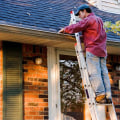
Homeownership is often seen as a significant milestone, but it comes with its own set of responsibilities, one of the most critical being home maintenance. Understanding the importance of maintaining your property is essential for ensuring its longevity and preserving its value. Regular upkeep not only enhances the aesthetic appeal of your home but also prevents minor issues from escalating into costly repairs, including roof repair. From routine tasks like cleaning gutters to more complex jobs such as roof inspections, every aspect of home maintenance plays a vital role in safeguarding your investment.One of the key reasons why budgeting for home maintenance is crucial is the unpredictability of repairs. . Understanding the importance of maintaining your property is essential for ensuring its longevity and preserving its value. Regular upkeep not only enhances the aesthetic appeal of your home but also prevents minor issues from escalating into costly repairs, including roof repair. From routine tasks like cleaning gutters to more complex jobs such as roof inspections, every aspect of home maintenance plays a vital role in safeguarding your investment.One of the key reasons why budgeting for home maintenance is crucial is the unpredictability of repairs.
Homeowners often face unexpected challenges, such as plumbing failures or electrical issues, which can arise without warning. By setting aside a dedicated budget for maintenance, you can mitigate the financial strain that these surprises may cause. This proactive approach allows you to address problems promptly, ensuring that your home remains safe and functional.Moreover, understanding the specific needs of your home based on its age, location, and condition can significantly influence your maintenance budget. For instance, older homes may require more frequent repairs and updates compared to newer constructions.
Additionally, homes situated in areas prone to extreme weather conditions may experience accelerated wear and tear. Therefore, it is essential to assess these factors when determining how much to allocate for home maintenance. By doing so, you not only protect your property but also enhance its market value over time.
How Much Should You Budget for Home Maintenance?
When it comes to planning your home maintenance budget, a widely accepted guideline suggests allocating between 1% and 4% of your home's total value each year. This range serves as a foundational starting point, but several factors can influence where you should fall within this spectrum.Understanding the 1% to 4% Rule
- Newer Homes: If your home is relatively new, budgeting around 1% of its value may suffice.
Newer properties typically require less maintenance due to modern materials and construction techniques.
- Older Homes: For homes that are older or have outdated systems, it is advisable to budget closer to 3% or even 4%. As systems age, they often require more frequent repairs and replacements.
Factors Influencing Your Budget
Several elements can affect how much you should set aside for home maintenance:
- Location: The geographical area where you live plays a significant role. Homes in regions with extreme weather conditions—such as heavy rainfall, snow, or high humidity—may experience more wear and tear, necessitating a higher budget.
- Home Size: Larger homes generally incur higher maintenance costs due to the increased number of systems and surfaces that require upkeep.
- Type of Home: Different types of homes (e.g., detached houses, flats, or bungalows) have varying maintenance needs. For instance, a detached house may require more exterior maintenance than a flat.
- Aging Systems: If your home has older plumbing, electrical systems, or roofing, these components may need more frequent attention and repairs.
Building Your Maintenance Fund
Even if you do not utilise the entire budget each year, it is wise to deposit any unspent funds into a dedicated savings account.
This approach ensures that you have a financial cushion for unexpected repairs or emergencies that may arise.Ultimately, understanding your specific circumstances will help you determine the most appropriate percentage to allocate for home maintenance. Regularly reviewing and adjusting your budget based on changing needs will keep your home in optimal condition and safeguard your investment.
Factors Influencing Home Maintenance Costs
When planning your budget for home maintenance, it is crucial to consider various factors that can significantly influence the overall costs. Understanding these elements will enable homeowners to allocate their resources more effectively and prepare for potential expenses.Climate Impact on Home Maintenance
The climate in which your home is situated plays a pivotal role in determining maintenance costs. Homes located in regions with extreme weather conditions—such as heavy rainfall, snow, or high humidity—are likely to experience more wear and tear.For instance, properties in areas prone to flooding may require additional waterproofing measures, while homes in colder climates might need regular inspections of heating systems and insulation.Moreover, the local flora can also affect maintenance needs. For example, homes surrounded by trees may require more frequent gutter cleaning and roof inspections due to falling leaves and branches. Therefore, homeowners should assess their local climate and environment when estimating their maintenance budget.
Age of the Property
The age of your home is another critical factor influencing maintenance costs. Older properties often come with a unique set of challenges, including outdated plumbing, electrical systems, and roofing materials that may not meet current standards.As a result, homeowners with older homes should anticipate higher maintenance expenses compared to those with newer constructions.For instance, a house built several decades ago may require significant upgrades or replacements of essential systems, which can be costly. Regular inspections and proactive maintenance can help mitigate these expenses but should be factored into the overall budget.
Local Market Conditions
The local real estate market can also impact home maintenance costs. In areas where demand for housing is high, contractors may charge more for their services due to increased competition for skilled labour. Additionally, the availability of materials can fluctuate based on market conditions, potentially leading to higher prices for repairs or renovations.Homeowners should research local market trends and consider consulting with professionals to gain insights into typical maintenance costs in their area.This knowledge will help them create a more accurate budget that reflects the realities of their specific location.In summary, several factors influence home maintenance costs, including climate conditions, the age of the property, and local market dynamics. By understanding these elements, homeowners can make informed decisions about budgeting for ongoing maintenance and repairs.
Creating a Home Maintenance Budget: Step-by-Step Guide
Creating a home maintenance budget is a crucial step for any homeowner looking to protect their investment and ensure their property remains in good condition. Here’s a step-by-step guide to help you establish an effective budget for home maintenance.- Assess Your Home's Value: Start by determining the current market value of your home. This figure will serve as the foundation for calculating your maintenance budget.
A common guideline is to allocate between 1% and 4% of your home’s value annually for maintenance.
- Evaluate Your Home's Condition: Take a thorough inventory of your home’s systems and structures. Consider the age of your roof, plumbing, electrical systems, and appliances. Older homes or those with outdated systems may require a higher percentage of the home’s value for maintenance.
- Research Local Costs: Investigate the average costs of common repairs and maintenance tasks in your area. This can include everything from gutter cleaning to HVAC servicing.
Understanding local pricing will help you create a more accurate budget.
- Identify Seasonal Maintenance Needs: Different seasons bring unique maintenance requirements. For instance, winter may necessitate heating system checks, while spring could be the time for landscaping and exterior repairs. Create a seasonal checklist to ensure you’re prepared for these tasks.
- Set Aside an Emergency Fund: In addition to your regular maintenance budget, it’s wise to establish an emergency fund specifically for unexpected repairs. Aim to save at least 10% of your annual maintenance budget for emergencies, ensuring you’re covered when unforeseen issues arise.
- Review and Adjust Annually: Your home maintenance needs may change over time, so it’s essential to review your budget annually.
Adjust your allocations based on previous spending, changes in home value, or any new repairs that may be necessary.
Common Home Maintenance Expenses to Consider
When planning your home maintenance budget, it’s crucial to consider the various expenses that can arise throughout the year. Understanding these common costs will help you allocate your funds more effectively and ensure that your home remains in good condition. Here are some typical expenses that homeowners should anticipate:- Plumbing Repairs: Plumbing issues can range from minor leaks to major pipe bursts. Regular inspections and maintenance can help prevent costly repairs, but it’s wise to budget for unexpected plumbing emergencies, which can average between £100 to £500 depending on the severity.
- Roof Inspections and Repairs: Your roof is one of the most critical components of your home.
Annual inspections are recommended to identify potential problems early. Minor repairs can cost around £200, while significant issues may require a budget of £1,000 or more.
- HVAC Servicing: Heating, ventilation, and air conditioning systems require regular maintenance to operate efficiently. Annual servicing typically costs between £75 and £150, but if repairs are needed, costs can escalate quickly.
- Electrical System Maintenance: Ensuring your electrical system is safe and up to code is essential. Budget for routine checks and any necessary upgrades, which can range from £100 for minor fixes to several hundred pounds for more extensive work.
- Exterior Maintenance: This includes tasks such as painting, siding repairs, and gutter cleaning.
Depending on the size of your home and the materials used, you might spend anywhere from £200 to £1,500 annually on exterior upkeep.
- Landscaping and Garden Maintenance: Keeping your garden tidy and well-maintained not only enhances curb appeal but also prevents larger issues down the line. Budgeting around £300 to £1,000 per year for landscaping services is advisable.
- Pest Control: Regular pest inspections can save you from significant damage caused by infestations. Depending on the service required, expect to spend between £50 and £300 annually.
Emergency Fund vs.
Regular Maintenance Budget: What's the Difference?When it comes to managing the financial aspects of homeownership, understanding the distinction between an emergency fund and a regular maintenance budget is crucial. Both play significant roles in ensuring that your home remains safe and functional, but they serve different purposes.An emergency fund is specifically set aside for unexpected repairs or urgent situations that arise without warning. This could include issues such as a burst pipe, a malfunctioning boiler, or significant storm damage. These emergencies can often require immediate attention and can be costly, making it essential to have a dedicated fund to cover these expenses.
Financial experts typically recommend having at least three to six months' worth of living expenses saved in an emergency fund, which should also encompass potential home repair costs.On the other hand, a regular maintenance budget is designed for planned upkeep and routine repairs that are necessary to maintain the overall condition of your home. This includes tasks such as servicing your heating system, cleaning gutters, painting, and landscaping. By budgeting for these regular maintenance tasks, homeowners can prevent larger issues from developing over time, ultimately saving money in the long run.To effectively manage both funds, consider the following:
- Assess Your Home's Needs: Evaluate the age and condition of your home and its systems. Older homes may require more frequent maintenance and larger emergency funds due to their inherent vulnerabilities.
- Create Separate Accounts: Keeping your emergency fund separate from your regular maintenance budget can help you track your spending more effectively and ensure that you don’t dip into one fund for the other.
- Review Regularly: Periodically reassess both your emergency fund and maintenance budget.
As your home ages or as you make improvements, your financial needs may change.
Tips for Saving on Home Maintenance Costs
Home maintenance can often feel like a daunting financial burden, but with the right strategies, you can significantly reduce costs while ensuring your home remains in excellent condition. Here are some practical tips to help you save on home maintenance expenses.Embrace DIY Projects
One of the most effective ways to cut down on maintenance costs is to tackle minor repairs and upkeep tasks yourself. Many homeowners underestimate their ability to perform simple tasks that can save them money.Here are a few DIY projects you might consider:
- Painting: A fresh coat of paint can rejuvenate your home’s interior or exterior. With some basic supplies and online tutorials, you can achieve professional-looking results.
- Gardening: Maintaining your garden not only enhances curb appeal but also prevents issues like overgrown plants damaging your property. Regularly trimming hedges and mowing the lawn can be done without hiring a professional.
- Minor Repairs: Fixing leaky faucets, replacing light fixtures, or patching small holes in walls are all tasks that can be completed with minimal tools and effort.
Regular Upkeep
Preventative maintenance is key to avoiding costly repairs down the line. By regularly inspecting and maintaining various aspects of your home, you can catch potential issues before they escalate.Consider the following:
- Seasonal Checks: Conduct seasonal inspections of your roof, gutters, and plumbing systems. Clearing debris from gutters and checking for leaks can prevent more significant problems later.
- Change Filters: Regularly changing air filters in your heating and cooling systems not only improves efficiency but also extends the lifespan of these systems.
- Appliance Maintenance: Keep appliances in good working order by cleaning them regularly and following manufacturer guidelines for maintenance.
Utilise Discounts and Promotions
When hiring professionals for larger jobs, always look for discounts or promotions. Many service providers offer seasonal deals or loyalty discounts that can help lower costs. Additionally, consider bundling services; for example, if you need both plumbing and electrical work done, ask if the same company offers a discount for multiple services.By implementing these strategies, homeowners can effectively manage their home maintenance costs while ensuring their properties remain safe and well-maintained.Proactive measures not only save money but also enhance the longevity of your home’s systems and structures.
When to Seek Professional Help for Home Maintenance
Home maintenance is a crucial aspect of homeownership, but there are times when the expertise of a professional is necessary. Understanding when to seek professional help can save you time, money, and potential safety hazards. Here are some scenarios where hiring a contractor or specialist is advisable:- Complex Repairs: If you encounter issues that require specialised knowledge, such as electrical problems, plumbing leaks, or structural damage, it’s best to consult a professional. These areas often involve intricate systems that can be dangerous if not handled correctly.
- Permits and Regulations: Certain repairs and renovations may require permits or adherence to local building codes.
Professionals are familiar with these regulations and can ensure that your project complies with legal standards.
- Time Constraints: If you have a busy schedule or lack the time to dedicate to home repairs, hiring a contractor can be a practical solution. Professionals can often complete tasks more efficiently than an inexperienced homeowner.
- Safety Concerns: Some repairs pose significant safety risks. For instance, working on roofs, handling hazardous materials, or dealing with gas lines should always be left to trained professionals to avoid accidents.
- Lack of Tools or Skills: If you find yourself lacking the necessary tools or skills for a particular job, it’s wise to hire someone who has both. Attempting repairs without the right equipment can lead to further damage and increased costs.
Here are some indicators that it might be time to call in an expert:
- Persistent Issues: If a problem keeps recurring despite your attempts to fix it, this may indicate a deeper issue that requires professional diagnosis and repair.
- Unusual Sounds or Smells: Strange noises from appliances or unusual odours in your home can signal serious problems. For example, electrical issues may produce burning smells, while plumbing problems might lead to foul odours.
- Visible Damage: Cracks in walls, ceilings, or foundations can be signs of structural issues that need immediate attention from a qualified contractor.
FAQs About Home Maintenance Budgeting
When it comes to budgeting for home maintenance, homeowners often have numerous questions. Here are some of the most frequently asked questions that can help clarify common concerns and misconceptions.What percentage of my home’s value should I budget for maintenance?
A widely accepted guideline is to allocate between 1% and 4% of your home’s total value annually for maintenance.For newer homes, starting at 1% may suffice, but if your home is older or has unique features, aiming closer to 3% or 4% is advisable. This ensures you are prepared for the inevitable repairs and upkeep that come with age.
How can I determine my specific home maintenance needs?
To accurately assess your home’s maintenance requirements, consider factors such as:- Age of the home: Older homes typically require more frequent repairs.
- Climate: Homes in areas with extreme weather conditions may experience more wear and tear.
- Type of materials used: Certain materials may need more upkeep than others.
- Previous maintenance history: If past owners neglected upkeep, you may face higher costs.
What types of expenses should I include in my maintenance budget?
Your home maintenance budget should encompass a variety of costs, including:- Routine inspections: Regular checks on plumbing, electrical systems, and roofing.
- Repairs: Costs associated with fixing leaks, broken appliances, or damaged structures.
- Seasonal maintenance: Services like gutter cleaning, lawn care, and HVAC servicing.
- Emergency repairs: Setting aside funds for unexpected issues like burst pipes or roof damage.
Is it necessary to have a separate savings account for home maintenance?
While not mandatory, having a dedicated savings account for home maintenance can be highly beneficial. This allows you to accumulate funds specifically for repairs and upkeep without impacting your regular budget. It also provides peace of mind knowing that you have financial resources readily available when emergencies arise.How can I save money on home maintenance?
You can reduce your overall maintenance costs by:- Performing DIY tasks: Learn basic repair skills to handle minor issues yourself.
- Scheduling regular maintenance: Preventative care can help avoid costly repairs down the line.
- Comparing service providers: Get multiple quotes before hiring contractors to ensure competitive pricing.
Conclusion: The Importance of Planning Your Home Maintenance Budget
In conclusion, establishing a comprehensive budget for home maintenance is not merely a financial exercise; it is a crucial strategy for safeguarding your property and ensuring its longevity.Throughout this article, we have explored various aspects of budgeting for home maintenance, highlighting the importance of setting aside a specific percentage of your home’s value each year. This proactive approach can help mitigate the financial strain that unexpected repairs can impose.One of the key takeaways is the recommendation to allocate between 1% and 4% of your home’s value annually for maintenance. For newer homes, starting at 1% may suffice, but as properties age, particularly those over 20 years old, increasing this percentage to 3% or even 4% becomes prudent. This adjustment accounts for the inevitable wear and tear that older systems and structures experience.Moreover, geographical factors play a significant role in determining your maintenance budget.
Homes situated in regions prone to extreme weather conditions—such as heavy rainfall, snow, or high humidity—often require more frequent repairs and upkeep. Therefore, understanding your local climate can guide you in making informed decisions about how much to set aside.Additionally, it is essential to remember that budgeting for home maintenance is not just about covering immediate costs. It also involves planning for future expenses that may arise from larger projects such as roof replacements or plumbing overhauls. By saving consistently and perhaps even placing leftover funds into a dedicated savings account, homeowners can create a financial cushion that provides peace of mind.Ultimately, a well-structured maintenance budget not only protects your investment but also enhances your quality of life by ensuring that your home remains safe and comfortable.
As you reflect on the insights shared in this article, consider taking the necessary steps to develop or refine your own home maintenance budget today.