Home maintenance is not merely a series of tasks to be completed; it is a vital practice that safeguards your property, enhances its value, and ensures the safety of its inhabitants. Regular upkeep of your home can prevent minor issues from escalating into significant problems, which can lead to costly repairs and potential hazards. By understanding the importance of home maintenance, homeowners can appreciate the long-term benefits that come from a proactive approach to property care.One of the primary advantages of consistent home maintenance is the preservation of property value. A well-maintained home not only looks appealing but also attracts potential buyers should you decide to sell.
Regular inspections and timely repairs can prevent deterioration, ensuring that your investment remains sound over time. Furthermore, homes that are neglected often require extensive renovations to restore them to a livable condition, which can be both time-consuming and financially draining.In addition to financial implications, home maintenance plays a crucial role in ensuring safety. Many household accidents stem from neglected areas such as faulty wiring, leaky roofs, or blocked gutters. By adhering to a comprehensive maintenance checklist, homeowners can identify and rectify these issues before they pose a risk.
This proactive stance not only protects your family but also provides peace of mind, knowing that your living environment is secure.Ultimately, the significance of home upkeep cannot be overstated. It is an ongoing commitment that requires attention and diligence but pays dividends in the form of safety, comfort, and financial security. As we delve deeper into creating a comprehensive maintenance checklist, it becomes clear that this tool is essential for every homeowner aiming to maintain their property effectively.
What is a Home Maintenance Checklist?
A home maintenance checklist is a structured list of tasks and inspections that homeowners should regularly perform to ensure their property remains in optimal condition. This checklist serves as a vital tool for managing the upkeep of a home, helping to identify potential issues before they escalate into costly repairs.By systematically addressing various aspects of home maintenance, homeowners can protect their investment and enhance the longevity of their property.The primary purpose of a home maintenance checklist is to provide a clear and organised framework for routine inspections and tasks. It allows homeowners to keep track of what needs to be done, when it should be done, and how often certain tasks should be repeated. This proactive approach not only helps in maintaining the aesthetic appeal of the home but also ensures that essential systems such as plumbing, electrical, and HVAC are functioning efficiently.Moreover, a well-structured maintenance checklist can significantly reduce the risk of unexpected breakdowns. For instance, regular checks on heating systems before winter can prevent last-minute repairs during the cold months when such services are in high demand.
Similarly, inspecting roofs and gutters in the autumn can avert water damage caused by clogged drainage systems during heavy rains.In addition to preventing costly repairs, a home maintenance checklist can also enhance safety. Regularly checking smoke detectors, carbon monoxide detectors, and fire extinguishers ensures that these critical safety devices are operational when needed. Furthermore, maintaining outdoor areas by trimming trees and clearing pathways can prevent accidents and injuries.Ultimately, a home maintenance checklist is not just a list of tasks; it is an essential component of responsible homeownership. By adhering to this checklist, homeowners can enjoy peace of mind knowing that they are taking proactive steps to maintain their property’s value and safety.
Key Components of a Comprehensive Home Maintenance Checklist
Creating a comprehensive home maintenance checklist is vital for ensuring the longevity and safety of your property.A well-structured checklist not only helps in identifying potential issues before they escalate but also aids in maintaining the overall functionality of your home. Below are the key components that should be included in your home maintenance checklist.
1.Plumbing Maintenance
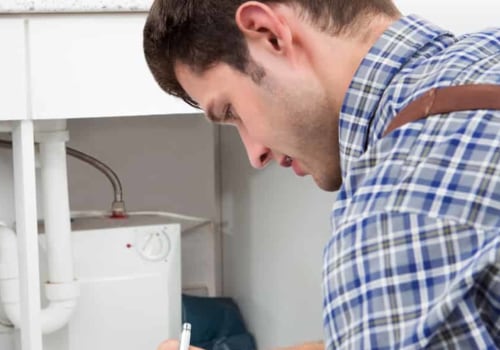
- Inspect for Leaks: Regularly check under sinks, around toilets, and near water heaters for any signs of leaks. Addressing these promptly can prevent water damage and mould growth.
- Drain Cleaning: Schedule annual drain cleaning to avoid clogs and ensure proper drainage throughout your home.
- Water Heater Maintenance: Flush your water heater annually to remove sediment buildup, which can affect efficiency and lifespan.
2.Electrical System Checks
- Test Smoke Detectors: Check smoke and carbon monoxide detectors monthly and replace batteries at least once a year.
- Inspect Wiring: Look for frayed wires or loose connections, especially in high-usage areas like kitchens and living rooms.
- Check Circuit Breakers: Ensure that circuit breakers are functioning correctly and reset any tripped breakers as needed.
3.Exterior Maintenance
- Roof Inspection: Examine your roof for missing or damaged shingles, especially after severe weather. Schedule repairs promptly to prevent leaks.
- Gutter Cleaning: Clean gutters at least twice a year to prevent water damage to your foundation and landscaping.
- Lawn Care: Regularly mow, fertilise, and aerate your lawn to maintain its health and appearance.
4.Seasonal Tasks
- Winter Preparation: Insulate pipes, check heating systems, and ensure that outdoor faucets are drained to prevent freezing.
- Spring Cleaning: Conduct a thorough cleaning of windows, siding, and outdoor furniture to prepare for warmer months.
By regularly reviewing and updating this list, you can ensure that all essential tasks are completed on time, ultimately protecting your investment and enhancing your living environment.
Seasonal Home Maintenance Tasks
Maintaining your home throughout the year is crucial for preserving its value and ensuring a safe, comfortable living environment. Each season brings unique challenges and tasks that should be addressed to keep your home in optimal condition. Below is a detailed breakdown of essential seasonal home maintenance tasks.Spring Maintenance Checklist
- Inspect the Roof: Check for any damage from winter storms, including missing or broken shingles.
- Clean Gutters: Remove leaves and debris to ensure proper drainage and prevent water damage.
- Service Air Conditioning: Schedule a professional inspection and clean the unit to prepare for warmer months.
- Check Windows and Doors: Inspect seals and caulking for any wear and tear, replacing as necessary to improve energy efficiency.
- Test Smoke Alarms: Replace batteries and ensure all alarms are functioning properly.
Summer Maintenance Checklist
- Maintain the Lawn: Regularly mow, water, and fertilise your lawn to keep it healthy.
- Inspect Outdoor Equipment: Check grills, lawnmowers, and other outdoor tools for functionality and safety.
- Check for Pests: Look for signs of infestations around the home and take preventive measures as needed.
- Clean Decks and Patios: Power wash surfaces to remove dirt, mildew, and algae buildup.
Autumn Maintenance Checklist
- Prepare Heating Systems: Schedule a furnace inspection to ensure it’s ready for winter use.
- Winterize Outdoor Faucets: Drain hoses and shut off exterior water supplies to prevent freezing.
- Inspect Insulation: Check attic insulation and add more if necessary to maintain warmth during colder months.
- Clean Chimneys: Have your chimney inspected and cleaned before using your fireplace or wood stove.
Winter Home Care Tips
- Monitor Heating Systems: Regularly check your heating system to ensure it’s operating efficiently.
- Prevent Ice Dams: Keep gutters clear of snow and ice to prevent water backup that can damage roofs.
- Check for Drafts: Use weather stripping or caulk to seal any drafts around windows and doors.
- Create an Emergency Kit: Prepare a kit with essentials like blankets, food, water, and a flashlight in case of severe weather outages.
Monthly and Annual Maintenance Tasks
Maintaining a home is an ongoing responsibility that requires attention to detail and a well-structured schedule. To ensure your home remains safe, efficient, and in good condition, it is essential to establish a routine for both monthly and annual maintenance tasks.Below is a comprehensive guide to help you create an effective maintenance schedule.
Monthly Home Maintenance Tasks
- Inspect Smoke and Carbon Monoxide Detectors: Test alarms monthly to ensure they are functioning correctly. Replace batteries as needed, typically every six months.
- Clean Kitchen Appliances: Regularly clean the refrigerator coils and the dishwasher filter to maintain efficiency. Wipe down surfaces to prevent build-up of grime.
- Check HVAC Filters: Inspect and replace air filters in your heating and cooling systems monthly, especially during peak usage seasons, to improve air quality and system efficiency.
- Examine Plumbing Fixtures: Look for leaks under sinks and around toilets. Address any issues immediately to prevent water damage.
- Test GFCI Outlets: Ensure that Ground Fault Circuit Interrupter outlets are functioning by pressing the test button.
Reset if necessary.
Annual Home Upkeep Checklist
- Schedule a Professional HVAC Inspection: Have your heating and cooling systems serviced annually to ensure they operate efficiently and safely.
- Inspect the Roof: Check for missing or damaged shingles, and clear debris from gutters and downspouts to prevent water damage.
- Service the Chimney: If you use a fireplace, have your chimney inspected and cleaned annually to reduce fire hazards.
- Check for Pests: Conduct an annual pest inspection or hire a professional service to identify potential infestations before they become serious problems.
- Flush Water Heater: Remove sediment from your water heater annually to improve efficiency and extend its lifespan.
Tools and Resources for Effective Home Maintenance
Maintaining a home can be a rewarding yet challenging task, and having the right tools and resources at your disposal can make all the difference. Whether you are a seasoned homeowner or new to the responsibilities of home upkeep, understanding which tools to invest in and where to find reliable resources is essential for effective home maintenance.Essential Home Maintenance Tools
- Basic Hand Tools: A well-stocked toolbox is fundamental for any homeowner. Essential hand tools include a hammer, screwdrivers (both flathead and Phillips), pliers, a tape measure, and an adjustable wrench.
These tools will help you tackle a variety of minor repairs and installations around the house.
- Power Tools: For larger projects, power tools can save time and effort. A cordless drill is invaluable for drilling holes and driving screws. Additionally, consider investing in a circular saw for cutting wood or a jigsaw for more intricate shapes.
- Ladders: A sturdy ladder is crucial for tasks such as cleaning gutters, changing light bulbs, or painting high areas. Ensure you choose a ladder that suits your height needs and is rated for the weight it will carry.
- Safety Gear: Never underestimate the importance of safety.
Equip yourself with gloves, safety goggles, and a dust mask to protect yourself while performing maintenance tasks.
Digital Resources for Homeowners
In addition to physical tools, various digital resources can assist homeowners in managing their maintenance tasks effectively:- Home Maintenance Apps: Consider downloading apps like HomeZada or BrightNest, which help you track maintenance schedules, set reminders for seasonal tasks, and provide tips tailored to your home’s needs.
- YouTube Tutorials: The internet is filled with instructional videos that can guide you through specific repairs or maintenance tasks. Channels dedicated to DIY home improvement can be particularly helpful.
- Online Forums and Communities: Websites like Reddit or This Old House forums allow homeowners to share experiences, ask questions, and receive advice from others who have faced similar challenges.
Hiring Professionals vs. DIY Maintenance
When it comes to home maintenance, homeowners often face the dilemma of whether to tackle repairs and upkeep themselves or hire a professional.Each option has its own set of advantages and disadvantages, and understanding these can help you make informed decisions about your home care.
Benefits of DIY Maintenance
One of the primary benefits of DIY maintenance is cost savings. By handling repairs yourself, you can avoid labour costs associated with hiring professionals. Additionally, many homeowners find satisfaction in completing tasks on their own, which can enhance their skills and confidence in home management.Another advantage is flexibility. DIY projects can often be completed at your convenience, allowing you to work around your schedule.This is particularly beneficial for minor repairs or routine maintenance tasks that do not require immediate attention.
When to Hire a Contractor
While DIY can be rewarding, there are situations where hiring a professional is advisable. Complex tasks such as electrical work, plumbing issues, or structural repairs often require specialised knowledge and skills. Attempting these jobs without proper expertise can lead to safety hazards or further damage, resulting in higher costs down the line.Moreover, certain jobs may require permits or inspections that only licensed professionals can obtain. For instance, major renovations or installations often fall under local building codes that necessitate professional oversight.Weighing the Pros and Cons
Ultimately, the decision between DIY maintenance and hiring professionals should be based on several factors:- Skill Level: Assess your own abilities honestly.
If a task exceeds your skill set, it’s wise to seek help.
- Time Constraints: Consider how much time you have available. Some projects may take longer than anticipated.
- Cost vs. Value: Evaluate whether the potential savings from DIY outweigh the risks of doing it incorrectly.
- Safety Concerns: If a task poses safety risks, such as working at heights or with hazardous materials, hiring a professional is the safer choice.
Common Home Maintenance Mistakes to Avoid
Home maintenance is crucial for preserving the value and safety of your property.However, many homeowners fall into common traps that can lead to costly repairs and diminished home value. Understanding these pitfalls can help you avoid them and ensure your home remains in top condition.
Neglecting Regular Inspections
One of the most significant mistakes homeowners make is failing to conduct regular inspections of their property. Areas such as the roof, gutters, and foundation should be checked periodically for signs of wear or damage. Ignoring these inspections can lead to minor issues escalating into major problems, such as leaks or structural damage.Overlooking Seasonal Maintenance
Each season brings its own set of maintenance tasks that should not be overlooked.For instance, cleaning gutters in the autumn and checking heating systems before winter are essential steps that many homeowners forget. Failing to prepare your home for seasonal changes can result in unexpected repairs when you need your systems to function most.
Using Incorrect Cleaning Products
Another common error is using inappropriate cleaning products on various surfaces. For example, using harsh chemicals on wood floors can damage the finish, while neglecting to use a suitable cleaner on stone surfaces can lead to etching. Always read labels and choose products that are safe for the specific materials in your home.Ignoring Small Repairs
Many homeowners tend to put off small repairs, thinking they can address them later.This procrastination often leads to more significant issues down the line. For instance, a small leak under the sink can lead to water damage if not fixed promptly. Make it a habit to tackle minor repairs as soon as they arise.
Failing to Maintain Appliances
Your home appliances require regular maintenance to operate efficiently. Neglecting tasks such as cleaning refrigerator coils or descaling your kettle can shorten their lifespan and increase energy costs.Schedule routine checks for all major appliances to keep them running smoothly.
Not Keeping Records
Finally, failing to keep detailed records of maintenance tasks can lead to confusion and missed deadlines. Create a maintenance log that includes dates of inspections, repairs made, and any warranties or service agreements. This practice not only helps you stay organised but also provides valuable information when selling your home.Avoiding these common home maintenance mistakes will save you time, money, and stress in the long run. By staying proactive and informed, you can ensure your home remains a safe and comfortable place for years to come.FAQs About Home Maintenance Checklists
Home maintenance checklists are invaluable tools for homeowners, yet many have questions about their creation and implementation.Below are some of the most frequently asked questions regarding home maintenance checklists, along with detailed answers to help clarify common doubts.
What is a home maintenance checklist?
A home maintenance checklist is a comprehensive list of tasks that need to be performed regularly to keep a home in good condition. This includes seasonal tasks, monthly inspections, and annual maintenance activities. By following a checklist, homeowners can ensure that they do not overlook essential upkeep tasks that could lead to costly repairs down the line.Why is a home maintenance checklist important?
Having a home maintenance checklist is crucial for several reasons:- Prevention of Major Issues: Regular maintenance helps identify potential problems before they escalate into significant repairs.
- Increased Home Value: A well-maintained home retains its value better and can even appreciate over time.
- Safety: Regular checks can prevent accidents caused by faulty systems or equipment.
- Energy Efficiency: Proper maintenance can improve the efficiency of heating and cooling systems, leading to lower utility bills.
How often should I update my home maintenance checklist?
Your home maintenance checklist should be reviewed and updated at least once a year. However, it’s advisable to adjust it seasonally to account for specific tasks that may arise due to changing weather conditions.For instance, gutter cleaning is more pertinent in autumn, while HVAC servicing is crucial before winter.
What tasks should be included in a home maintenance checklist?
A comprehensive home maintenance checklist should include:- Inspecting the roof for damage or wear
- Cleaning gutters and downspouts
- Checking smoke detectors and carbon monoxide alarms
- Servicing heating and cooling systems
- Inspecting plumbing for leaks
- Maintaining landscaping and outdoor spaces
Can I create my own home maintenance checklist?
Absolutely! Creating your own checklist allows you to tailor it to your specific needs and the unique features of your home. Start by listing all the areas that require regular attention, then categorise them by frequency—monthly, quarterly, or annually. You can also find templates online that can serve as a starting point.By addressing these common queries, homeowners can better understand the importance of maintaining their properties and how to effectively utilise a home maintenance checklist for optimal upkeep.Conclusion: The Path to a Well-Maintained Home
In conclusion, establishing a comprehensive home maintenance checklist is not merely a suggestion but a necessity for every homeowner. The importance of regular maintenance cannot be overstated, as it plays a crucial role in preserving the integrity and value of your property.By systematically addressing various aspects of home care, you can prevent minor issues from escalating into significant problems that could lead to costly repairs.Throughout this article, we have explored the multifaceted nature of home maintenance, highlighting essential tasks that should be included in your checklist. From seasonal inspections of your roof and gutters to the regular servicing of heating systems and appliances, each task contributes to the overall health of your home. By adhering to a well-structured maintenance schedule, you not only enhance the safety and comfort of your living environment but also extend the lifespan of critical systems and components.Moreover, a comprehensive checklist serves as a valuable tool for tracking completed tasks and planning future maintenance activities. It allows homeowners to stay organised and proactive, ensuring that no vital area is overlooked.
This systematic approach can significantly reduce the likelihood of unexpected breakdowns and emergencies, providing peace of mind.As you embark on your journey towards effective home maintenance, remember that consistency is key. Regularly reviewing and updating your checklist will help you adapt to changing needs and circumstances. Whether you are a seasoned homeowner or new to property ownership, investing time in creating and following a detailed maintenance plan will pay dividends in the long run.Ultimately, a well-maintained home is not just about aesthetics; it reflects your commitment to preserving your investment and ensuring a safe haven for you and your family. Embrace the path to diligent home care by implementing a comprehensive maintenance checklist today.