The maintenance required light is a crucial indicator on your vehicle's dashboard, serving as a reminder that your car needs attention. This light is not merely a nuisance; it plays a vital role in ensuring the longevity and performance of your vehicle. Understanding what this light signifies can help you avoid costly repairs and maintain your car in optimal condition. When illuminated, it typically indicates that routine maintenance is due, which may include essential services such as oil changes, filter replacements, or other scheduled checks.For many drivers, the appearance of the maintenance required light can be alarming, often leading to confusion about its implications.
However, it is important to note that this warning does not necessarily mean there is an immediate problem with your vehicle. Instead, it serves as a prompt to review your car's maintenance schedule and take necessary actions to keep it running smoothly. Ignoring this light can lead to more significant issues down the line, potentially compromising both safety and performance.In addition to the maintenance required light, vehicles are equipped with various vehicle warning lights that provide critical information about their operational status. Familiarising yourself with these indicators can empower you as a driver, allowing you to respond appropriately when they appear.
Regularly monitoring these lights and understanding their meanings can significantly enhance your driving experience and ensure that your vehicle remains reliable for years to come.
What is the Maintenance Required Light?
The maintenance required light is a crucial indicator on your car's dashboard, designed to alert you when your vehicle is due for routine servicing. Unlike other warning lights that may signal immediate issues, such as engine malfunctions or low oil pressure, the maintenance required light serves as a reminder for scheduled maintenance tasks that are essential for the longevity and performance of your vehicle.This light typically illuminates after a specific mileage threshold has been reached, often around 5,000 miles, depending on the manufacturer's recommendations. It is important to note that the maintenance required light does not indicate a malfunction; rather, it signifies that it is time to perform necessary upkeep, which may include an oil change, filter replacement, or other routine checks.Understanding how this light functions can help you differentiate it from other dashboard indicators. For instance:- Check Engine Light: This light indicates a potential problem with the engine or emissions system and requires immediate attention.
- Oil Pressure Warning: This alerts you to low oil pressure, which can lead to severe engine damage if not addressed promptly.
- Battery Warning Light: This signifies issues with the vehicle's charging system and should be investigated without delay.
It encourages drivers to stay on top of their vehicle's health by adhering to a regular maintenance schedule. Ignoring this light can lead to more significant problems down the line, as neglecting routine services may result in decreased performance and increased repair costs.When the maintenance required light activates, it is advisable to consult your owner's manual for specific guidance on what services are due. Many modern vehicles also come equipped with onboard computers that track service intervals based on driving habits and conditions, providing tailored reminders for maintenance needs.In summary, while the maintenance required light may seem like a minor inconvenience, it plays a vital role in ensuring your vehicle remains in optimal condition. By responding promptly to this indicator and scheduling regular maintenance, you can enhance your car's reliability and safety on the road.
Common Reasons for the Maintenance Required Light to Illuminate
The maintenance required light is a crucial indicator that alerts drivers to various service needs for their vehicles.Understanding the common reasons behind this warning can help you take timely action and maintain your car's performance. Here are some of the primary reasons why this light may illuminate:
- Oil Change : One of the most frequent triggers for the maintenance required light is the need for an oil change. Engine oil degrades over time, losing its effectiveness in lubricating engine components. If you’ve driven over 5,000 miles since your last oil change, it’s likely time to replace the oil and filter.
- Fluid Levels : Low levels of essential fluids, such as coolant, brake fluid, or transmission fluid, can also cause the maintenance light to activate.
Regular checks of these fluids are vital to ensure your vehicle operates smoothly and safely.
- Air Filter Replacement : A clogged air filter can restrict airflow to the engine, affecting performance and fuel efficiency. If your maintenance light comes on, it might be a sign that your air filter needs replacing.
- Tire Maintenance : Uneven tire wear or low tire pressure can trigger the maintenance light. Regularly checking tire pressure and tread depth is essential for safe driving and optimal fuel economy.
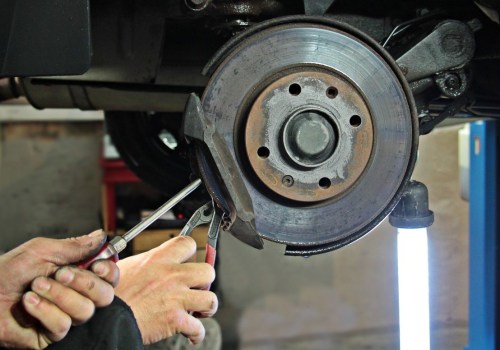
- Brake Inspection : Worn brake pads or low brake fluid levels can also illuminate the maintenance required light. It’s crucial to have your brakes inspected regularly to ensure they are functioning correctly.
- Battery Health : A failing battery may not always show obvious signs until it’s too late.
If your maintenance light comes on, it could indicate that your battery needs testing or replacement.
- Scheduled Maintenance : Many vehicles have specific service intervals for various components, such as timing belts or spark plugs. The maintenance required light may serve as a reminder that these scheduled services are due.
How to Respond When the Maintenance Required Light Comes On
When the maintenance required light illuminates on your dashboard, it serves as a crucial reminder that your vehicle needs attention. Responding promptly and appropriately can help prevent more significant issues down the line.Here’s a step-by-step guide on how to handle this situation effectively.
- Stay Calm and Assess: The first step is to remain calm. The maintenance light does not necessarily indicate an immediate problem; rather, it suggests that routine maintenance is due. Take a moment to assess your driving conditions. If the light comes on during normal driving, you can proceed to the next step.
- Check Your Owner's Manual: Your vehicle's owner manual is an invaluable resource.
It typically contains specific information regarding the maintenance required light, including what it signifies for your particular make and model. Look for sections related to dashboard warnings or maintenance schedules.
- Evaluate Recent Maintenance: Consider when you last performed maintenance on your vehicle. If it has been over 5,000 miles since your last oil change or other scheduled service, it’s likely time to book an appointment with a mechanic. Keeping track of your maintenance history can help you respond more effectively in the future.
- Schedule a Service Appointment: If the light remains illuminated after checking your manual and evaluating your recent maintenance, it’s advisable to schedule a service appointment with a qualified mechanic.
They can perform a thorough inspection and determine if any additional work is necessary beyond routine maintenance.
- Document Any Symptoms: If you notice any unusual sounds, smells, or performance issues while driving, make a note of them. This information can be incredibly helpful for the mechanic in diagnosing potential problems during your visit.
- Follow Up on Recommendations: After your vehicle has been serviced, ensure that you follow any recommendations provided by the mechanic. This may include scheduling future maintenance or addressing any identified issues promptly.
The Importance of Regular Vehicle Maintenance
Regular vehicle maintenance is not just a recommendation; it is a necessity for ensuring the longevity and optimal performance of your car.Just as you would not neglect your health, your vehicle requires consistent care to function effectively and safely. Ignoring the maintenance required light can lead to a cascade of issues that may compromise your vehicle's reliability and safety.One of the primary reasons for regular maintenance is to prevent minor issues from escalating into major problems. For instance, a simple oil change can prevent engine wear and tear, which could otherwise lead to costly repairs. Regular checks allow you to identify potential issues early, ensuring that your car remains in good working order.
Benefits of Servicing Your Car
- Enhanced Safety: Regular maintenance checks help ensure that critical components such as brakes, tyres, and lights are functioning correctly, significantly reducing the risk of accidents.
- Improved Fuel Efficiency: A well-maintained vehicle operates more efficiently, which can lead to better fuel economy.
This not only saves you money at the pump but also reduces your carbon footprint.
- Increased Resale Value: Keeping up with regular servicing can enhance your car's resale value. Prospective buyers are more likely to invest in a vehicle with a documented maintenance history.
- Extended Lifespan: Regular checks and timely repairs can extend the life of your vehicle, allowing you to enjoy it for many more years.
It is essential for ensuring safety, enhancing performance, and prolonging the life of your car. By paying attention to warning lights like the maintenance required light , you are taking proactive steps towards maintaining your vehicle's health and reliability.
Understanding Your Vehicle's Maintenance Schedule
Understanding your vehicle's maintenance schedule is crucial for ensuring its longevity and performance. Each car comes with a specific maintenance schedule outlined in the owner's manual, which serves as a guideline for when various services should be performed. This schedule is typically based on mileage and time intervals, and it is designed to keep your vehicle running smoothly while preventing potential issues that could arise from neglect.The maintenance required light serves as a reminder that you are approaching a service interval.When this light illuminates, it indicates that it’s time to consult your vehicle's maintenance schedule. Ignoring this warning can lead to more significant problems down the line, as regular maintenance is essential for the health of your car.Most manufacturers recommend routine services at specific mileage milestones, often every 5,000 to 10,000 miles. These services may include:
- Oil Changes: Regular oil changes are vital for engine health, as they ensure that the engine is lubricated properly and free from contaminants.
- Fluid Checks: This includes checking and topping up fluids such as coolant, brake fluid, and transmission fluid.
- Tire Rotation: Rotating your tires helps to ensure even wear and prolongs their lifespan.
- Brake Inspection: Regular checks of the brake system are crucial for safety.
- Filter Replacements: Air filters and fuel filters should be replaced according to the schedule to maintain optimal performance.
This not only helps you stay on top of your vehicle's needs but also provides valuable information should you decide to sell the car in the future.In summary, understanding your vehicle's maintenance schedule is key to preventing issues that could arise from neglecting necessary services. The maintenance required light is an important indicator that should prompt you to review this schedule and take action accordingly. By adhering to these guidelines, you can ensure that your vehicle remains reliable and safe on the road.
FAQs About the Maintenance Required Light
The maintenance required light can often lead to confusion and concern among drivers. Here are some frequently asked questions that can help clarify its purpose and what actions you should take when it illuminates.What does the maintenance required light indicate?
This light serves as a reminder that your vehicle is due for routine maintenance.It typically signals that it’s time for an oil change, but it can also indicate other scheduled services such as fluid checks, filter replacements, or even a tire rotation. Ignoring this light could lead to more significant issues down the line.
How often should I expect the maintenance required light to come on?
The frequency of the maintenance required light activation depends on your driving habits and the specific make and model of your vehicle. Generally, it will illuminate every 4,500 to 5,000 miles after the last reset. However, if you drive under severe conditions—such as frequent short trips or extreme temperatures—you may need to service your car more often.Can I reset the maintenance required light myself?
Yes, many vehicles allow you to reset the maintenance required light through a series of steps involving the ignition and dashboard buttons.However, it’s crucial to ensure that you have completed the necessary maintenance before doing so. Resetting the light without performing the required service can lead to neglecting essential upkeep.
What happens if I ignore the maintenance required light?
Ignoring this warning can result in various problems, including decreased engine performance, reduced fuel efficiency, and potentially costly repairs. Regular maintenance is vital for prolonging your vehicle's lifespan and ensuring safety on the road.Is the maintenance required light the same as a check engine light?
No, these two lights serve different purposes. The maintenance required light is a reminder for scheduled services, while the check engine light indicates a potential issue with your vehicle’s engine or emissions system.If the check engine light comes on, it’s advisable to seek professional diagnostics immediately.Understanding these common questions about the maintenance required light can help you take proactive steps in maintaining your vehicle's health and performance.
Conclusion: Keeping Your Car in Optimal Condition
In conclusion, understanding the significance of the maintenance required light in your vehicle is crucial for ensuring its longevity and performance. This warning indicator serves as a reminder that your car needs attention, and ignoring it can lead to more severe issues down the line. Regular maintenance is not just about keeping your car running; it’s about safeguarding your investment and ensuring your safety on the road.As discussed, the maintenance required light typically signals that it’s time for routine services such as oil changes, filter replacements, or other essential checks. By adhering to a regular maintenance schedule, you can prevent minor issues from escalating into costly repairs.Here are some key takeaways:
- Pay Attention: Always take note when the maintenance required light illuminates. It’s an early warning system designed to keep you informed about your vehicle’s health.
- Regular Checks: Schedule regular check-ups with a qualified mechanic who can provide comprehensive inspections and necessary services.
- Stay Informed: Familiarise yourself with your vehicle’s owner manual to understand the specific maintenance needs and intervals recommended by the manufacturer.
- Document Maintenance: Keep a detailed record of all maintenance performed on your vehicle. This not only helps in tracking service history but also aids in resale value.
By prioritising regular maintenance and responding promptly to warning lights like the maintenance required indicator, you ensure that your vehicle remains in optimal condition for years to come.