Home maintenance is a crucial aspect of property ownership that often goes overlooked until issues arise. It encompasses a wide range of activities aimed at preserving the integrity, safety, and value of a home. Regular maintenance not only enhances the aesthetic appeal of a property but also plays a significant role in preventing costly repairs down the line. By investing time and resources into maintaining a home, homeowners can ensure that their living environment remains safe and comfortable for themselves and their families. The importance of home maintenance cannot be overstated.
A well-maintained home is less likely to suffer from structural problems, pest infestations, or health hazards such as mould and mildew. Furthermore, routine maintenance can significantly increase the resale value of a property. Potential buyers are often deterred by homes that show signs of neglect, making it essential for homeowners to stay proactive in their upkeep efforts. In addition to financial benefits, regular maintenance fosters a sense of pride in homeownership, creating a welcoming atmosphere for both residents and guests. There are various types of home maintenance activities that homeowners should be aware of, each serving a unique purpose.
These can be broadly categorised into preventive maintenance, corrective maintenance, and seasonal maintenance. Preventive maintenance involves regular inspections and minor repairs aimed at preventing larger issues from developing. Corrective maintenance addresses problems as they arise, ensuring that any damage is promptly repaired. Seasonal maintenance focuses on tasks that are specific to certain times of the year, such as gutter cleaning in autumn or HVAC servicing before summer heat sets in.
Understanding these categories is essential for developing an effective home maintenance plan that meets the specific needs of each property.
The Importance of Regular Home Maintenance
Regular home maintenance is not merely a chore; it is a vital practice that can significantly enhance the longevity and safety of your property. By prioritising maintenance activities, homeowners can reap numerous benefits that extend beyond mere aesthetics.Cost Savings
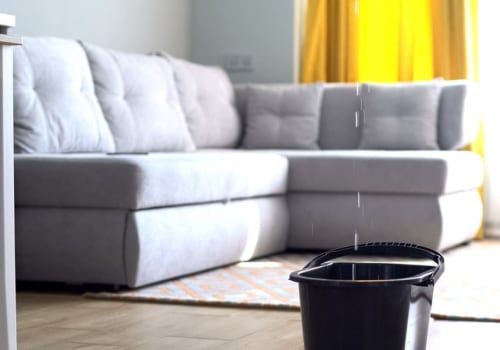
One of the most compelling reasons to engage in regular home maintenance is the potential for substantial cost savings. Addressing minor issues before they escalate into major problems can save homeowners thousands of pounds in repair costs. For instance, a small leak in a roof can lead to extensive water damage if left unattended, necessitating costly repairs or even complete roof replacement.
By conducting routine inspections and maintenance, homeowners can identify and rectify such issues early on, thereby avoiding more significant expenses down the line.
Increased Safety
Home safety is another critical aspect of regular maintenance. A well-maintained home reduces the risk of accidents and injuries. For example, ensuring that smoke detectors are functional, electrical systems are up to code, and stairways are free from hazards can prevent dangerous situations. Regularly checking for issues such as mould growth or structural weaknesses also contributes to a safer living environment for you and your family.
Enhanced Property Value
Investing time and resources into home maintenance can significantly enhance your property’s value.
A well-maintained home is more attractive to potential buyers and can command a higher selling price. Features such as freshly painted walls, well-kept gardens, and updated appliances not only improve the aesthetic appeal but also signal to buyers that the property has been cared for. This proactive approach can make a substantial difference in the competitive real estate market.
Peace of Mind
Finally, regular home maintenance provides peace of mind. Knowing that your home is in good condition allows you to enjoy your living space without the constant worry of unexpected repairs or safety hazards.
Establishing a routine maintenance schedule can help you stay organised and ensure that nothing falls through the cracks.In conclusion, prioritising regular home maintenance is essential for cost savings, safety, property value enhancement, and overall peace of mind. Homeowners should view these activities not as burdens but as investments in their property’s future.
Types of Home Maintenance Activities
Home maintenance is a crucial aspect of homeownership that ensures the longevity and functionality of your property. Understanding the various types of home maintenance activities can help homeowners make informed decisions about how to care for their homes effectively. Below, we explore the primary categories of home maintenance: preventive, corrective, and predictive maintenance.Preventive Maintenance
Preventive maintenance
involves regular, scheduled activities aimed at preventing potential issues before they arise.
This proactive approach is essential for maintaining the integrity of your home and can save homeowners significant costs in repairs over time. Common examples of preventive maintenance include:
- Regularly inspecting and cleaning gutters to prevent water damage.
- Changing air filters in heating and cooling systems to ensure efficiency.
- Checking smoke detectors and carbon monoxide alarms to ensure they are functioning properly.
- Performing seasonal checks on plumbing systems to avoid leaks or bursts during extreme weather.
Corrective Maintenance
Corrective maintenance
, on the other hand, refers to actions taken to rectify problems after they have occurred. This type of maintenance is often reactive and can lead to unexpected costs if not managed properly. Examples include:
- Repairing a leaking roof after water damage has been detected.
- Fixing broken appliances or systems that have failed unexpectedly.
- Addressing pest infestations once they have been identified.
Therefore, it is advisable to combine corrective measures with preventive strategies for optimal home care.
Predictive Maintenance
Predictive maintenance
is an advanced approach that leverages technology to anticipate potential failures before they occur. This method involves monitoring the condition of various home systems and components through sensors and data analysis. For instance:
- Using smart home technology to monitor energy usage patterns that may indicate appliance inefficiencies.
- Employing moisture sensors in basements or attics to detect early signs of water intrusion.
- Utilising HVAC monitoring systems that alert homeowners when performance drops below optimal levels.
Preventive Maintenance: Keeping Your Home in Top Shape
Preventive maintenance is a proactive approach that focuses on regularly scheduled tasks to keep your home in optimal condition.By addressing potential issues before they escalate into costly repairs, homeowners can save both time and money while ensuring a safe and comfortable living environment.Here are some essential preventive home maintenance tasks that should be incorporated into your routine:
- Inspect and Clean Gutters: Regularly check your gutters for debris and blockages. Cleaning them at least twice a year helps prevent water damage to your roof and foundation.
- Check Smoke and Carbon Monoxide Detectors: Test these devices monthly and replace batteries at least once a year. This simple task can save lives by ensuring early detection of fire or gas leaks.
- Service Heating and Cooling Systems: Schedule annual inspections for your HVAC system. Regular servicing can enhance efficiency, prolong the lifespan of the unit, and improve indoor air quality.
- Inspect Plumbing for Leaks: Regularly check under sinks, around toilets, and in basements for any signs of leaks.
Addressing small leaks promptly can prevent significant water damage and mould growth.
- Maintain Appliances: Clean refrigerator coils, descale dishwashers, and check washing machine hoses for wear. These tasks can improve appliance efficiency and longevity.
- Examine Roof Condition: Inspect your roof for missing or damaged shingles at least once a year. Early detection of roofing issues can prevent leaks and extensive repairs.
- Increased Safety: Regular checks reduce the risk of accidents caused by faulty systems or appliances.
- Enhanced Property Value: A well-maintained home retains its value better than one that is neglected, making it more appealing to potential buyers.
- Peace of Mind: Knowing that your home is in good condition allows you to focus on other aspects of life without the worry of unexpected repairs.
By dedicating time to these essential tasks, you not only safeguard your home but also enhance its overall functionality and comfort.
Corrective Maintenance: Addressing Issues as They Arise
Corrective maintenance is a reactive approach to managing home maintenance issues, focusing on addressing problems as they arise rather than preventing them. This type of maintenance is essential for homeowners who want to ensure their living environment remains safe and functional. It involves identifying faults or failures in systems and components and taking immediate action to rectify these issues.When to Use Corrective Maintenance
Corrective maintenance should be employed when:
- A system or component has failed or is malfunctioning, leading to a disruption in normal operations.
- Regular inspections or monitoring have revealed issues that require immediate attention.
- Preventive measures have not been implemented, or the condition of the equipment has deteriorated beyond acceptable limits.
Similarly, if an electrical fault arises, immediate corrective action is necessary to ensure safety and functionality.
Examples of Corrective Maintenance Tasks
Common tasks associated with corrective maintenance in a home setting include:
- Repairing plumbing leaks: This may involve fixing burst pipes, replacing faulty faucets, or sealing leaks in toilets.
- Electrical repairs: Tasks can range from replacing blown fuses to fixing wiring issues that could pose safety hazards.
- HVAC system repairs: Addressing issues such as malfunctioning thermostats, broken compressors, or blocked ducts to restore heating or cooling functions.
- Roof repairs: Fixing leaks or replacing damaged shingles after storms or wear and tear.
- Appliance repairs: This includes fixing malfunctioning refrigerators, washing machines, or ovens that disrupt daily routines.
The Implications of Neglecting Corrective Maintenance
Neglecting corrective maintenance can lead to significant consequences. Delaying repairs can exacerbate problems, resulting in more extensive damage and higher repair costs. For example, ignoring a small plumbing leak can lead to severe water damage and mould growth, which may require costly remediation efforts. Additionally, unresolved electrical issues can pose serious safety risks, including fire hazards.In conclusion, while preventive maintenance is crucial for avoiding issues before they arise, corrective maintenance plays an equally important role in managing unexpected problems.
Homeowners should remain vigilant and responsive to signs of wear and tear to maintain a safe and comfortable living environment.
Predictive Maintenance: The Future of Home Care
In the realm of home maintenance, predictive maintenance is emerging as a revolutionary approach that leverages technology to foresee potential issues before they escalate into costly repairs. This proactive strategy is not only beneficial for large-scale industries but is increasingly relevant for homeowners seeking to maintain their properties efficiently.Understanding Predictive Maintenance
Predictive maintenance involves the use of advanced technologies and data analytics to monitor the condition of home systems and appliances. By analysing data collected from various sensors and devices, homeowners can gain insights into the performance and health of their equipment. This method contrasts sharply with traditional maintenance practices, which often rely on scheduled inspections or reactive measures after a failure has occurred.
How Technology Enhances Home Maintenance
Modern technology plays a pivotal role in enabling predictive maintenance.
Smart home devices equipped with sensors can track usage patterns, detect anomalies, and provide real-time feedback. For instance, smart thermostats can learn your heating preferences and alert you to unusual energy consumption, indicating potential issues with your heating system. Similarly, smart water leak detectors can notify you immediately if they sense moisture where it shouldn’t be, helping to prevent extensive water damage.
Benefits of Predictive Maintenance
- Cost Savings: By identifying problems early, homeowners can avoid expensive emergency repairs and reduce overall maintenance costs.
- Increased Lifespan: Regular monitoring and timely interventions can extend the lifespan of appliances and systems, ensuring they operate at peak efficiency.
- Enhanced Safety: Predictive maintenance helps mitigate risks associated with equipment failures, such as electrical fires or flooding from burst pipes.
- Convenience: With automated alerts and monitoring, homeowners can enjoy peace of mind knowing that their home systems are being watched over without constant manual checks.
Seasonal Maintenance Tasks: A Year-Round Approach
Maintaining a home is a year-round commitment, and seasonal maintenance tasks play a crucial role in preserving the integrity and comfort of your property.By breaking down these tasks into manageable seasonal checklists, homeowners can ensure that their homes remain safe, efficient, and welcoming throughout the year.
Spring Maintenance Checklist
- Inspect the Roof: Check for any damage from winter storms, including missing or damaged shingles.
- Clean Gutters and Downspouts: Remove debris to prevent water damage and ensure proper drainage.
- Service Air Conditioning Units: Schedule a professional inspection to prepare for warmer months.
- Check Windows and Doors: Inspect seals and weather stripping to improve energy efficiency.
- Spring Clean: Deep clean your home, focusing on areas often overlooked, such as behind appliances and inside cabinets.
Summer Maintenance Checklist
- Inspect Outdoor Spaces: Check decks, patios, and fences for wear and tear; make necessary repairs.
- Maintain Landscaping: Trim trees and shrubs, and ensure that plants are healthy and well-watered.
- Check for Pests: Look for signs of infestations and take preventive measures as needed.
- Test Smoke Alarms: Ensure all alarms are functioning properly; replace batteries if necessary.
Autumn Maintenance Checklist
- Prepare Heating Systems: Schedule a furnace inspection to ensure it’s ready for colder months.
- Clean Chimneys: If you have a fireplace, have it cleaned to prevent chimney fires.
- Winterize Outdoor Faucets: Disconnect hoses and insulate outdoor spigots to prevent freezing.
- Inspect Insulation: Check attic insulation to ensure your home retains heat efficiently.
Winter Maintenance Checklist
- Monitor Heating Systems: Regularly check your heating system to ensure it operates efficiently.
- Inspect Pipes: Look for signs of freezing or leaks; insulate vulnerable pipes as needed.
- Clearing Snow and Ice: Regularly remove snow from roofs and pathways to prevent damage or accidents.
- Create an Emergency Kit: Prepare for potential power outages with essentials like food, water, and blankets.
DIY vs Professional Maintenance: Making the Right Choice
When it comes to home maintenance, homeowners often face the dilemma of whether to tackle repairs and upkeep themselves or hire professionals. Both approaches have their merits and drawbacks, and understanding these can help you make an informed decision.DIY Home Maintenance
Engaging in DIY home maintenance can be a rewarding experience. It allows homeowners to save money on labour costs and gain a sense of accomplishment.
Here are some advantages of opting for DIY:
- Cost Savings: By handling repairs yourself, you can significantly reduce expenses associated with hiring professionals.
- Flexibility: DIY projects can be scheduled at your convenience, allowing you to work at your own pace.
- Skill Development: Taking on maintenance tasks can enhance your skills and knowledge about home systems, making you more self-sufficient.
- Time-Consuming: Some tasks may take longer than anticipated, especially if you lack experience.
- Risk of Mistakes: Inexperienced homeowners may inadvertently cause more damage, leading to higher repair costs in the long run.
- Lack of Expertise: Certain tasks require specialised knowledge or tools that the average homeowner may not possess.
When to Hire Professionals
While DIY can be beneficial, there are situations where hiring a professional is the wiser choice. Consider the following scenarios:
- Complex Repairs: For intricate issues such as electrical work or plumbing problems, it’s often best to consult a licensed professional to ensure safety and compliance with regulations.
- Lack of Time: If your schedule is packed, hiring someone can save you valuable time and stress.
- Specialised Skills Required: Some tasks, like roof repairs or major renovations, require expertise that only professionals possess.
The Bottom Line
The choice between DIY and professional maintenance ultimately depends on your comfort level, skills, and the complexity of the task at hand. Assessing the pros and cons of each approach will help you determine the best course of action for your home maintenance needs.
Common Home Maintenance Mistakes to Avoid
Home maintenance is crucial for preserving the value and comfort of your property. However, many homeowners fall into common traps that can lead to costly repairs and diminished home quality.Understanding these pitfalls is the first step towards effective upkeep.
Neglecting Regular Inspections
One of the most significant mistakes homeowners make is failing to conduct regular inspections of their property. Routine checks can help identify potential issues before they escalate into major problems. For instance, inspecting your roof for missing tiles or checking for signs of dampness in the basement can save you from expensive repairs down the line.Ignoring Seasonal Maintenance
Each season brings its own set of maintenance tasks that should not be overlooked. For example, neglecting to clean gutters in autumn can lead to water damage during winter months.Similarly, failing to service your heating system before winter can result in breakdowns when you need it most. Create a seasonal maintenance checklist to ensure you cover all necessary tasks throughout the year.
Overlooking Small Repairs
Many homeowners tend to ignore minor repairs, thinking they can address them later. This approach often leads to larger issues that require more extensive work. For example, a small leak under the sink can lead to mould growth and structural damage if left unattended.Always address small repairs promptly to prevent them from becoming bigger headaches.
Using Incorrect Tools or Materials
Another common mistake is using the wrong tools or materials for home repairs. This can not only compromise the quality of the repair but also pose safety risks. Always ensure you have the right tools for the job and consult with professionals if you're unsure about which materials to use.Neglecting Outdoor Spaces
Home maintenance extends beyond the interior; outdoor spaces require attention as well. Failing to maintain your garden, driveway, or patio can lead to deterioration and affect your home's curb appeal.Regularly trim hedges, clean pathways, and check for any signs of pest infestations.
Not Keeping Records
Finally, many homeowners do not keep records of maintenance activities, which can lead to confusion about what has been done and when. Maintaining a log of repairs and services performed on your home helps track warranties and schedules for future maintenance tasks.By avoiding these common home maintenance mistakes, you can ensure that your property remains in excellent condition, ultimately saving you time and money while enhancing your living environment.Conclusion: The Key Takeaways on Home Maintenance Activities
In summary, understanding the various types of home maintenance activities is crucial for every homeowner. By implementing a structured approach to maintenance, you can significantly enhance the longevity and functionality of your home. Here are the key takeaways:- Preventive Maintenance: Regular inspections and scheduled upkeep can prevent minor issues from escalating into major repairs.
This proactive approach not only saves money but also ensures a safe living environment.
- Corrective Maintenance: While it’s essential to prevent problems, it’s equally important to address issues as they arise. Timely corrective actions can mitigate damage and restore functionality quickly.
- Condition-Based Maintenance: Monitoring the condition of your home’s systems allows you to make informed decisions about when to perform maintenance. This method relies on real-time data, which can lead to more efficient use of resources.
- Risk-Based Maintenance: Prioritising maintenance tasks based on risk assessment helps in focusing efforts where they are most needed, ensuring that critical systems are always operational.
Regular upkeep fosters a sense of pride in your home and contributes to its overall value. Therefore, make it a priority to develop a comprehensive maintenance plan tailored to your specific needs and circumstances.By doing so, you will ensure that your home remains a safe, comfortable, and enjoyable space for years to come.